
In 2024, the average UK gamer spends more than 1 hour per day on a smartphone app, a jump of 25 % from 2023, reshaping the country’s leisure landscape.
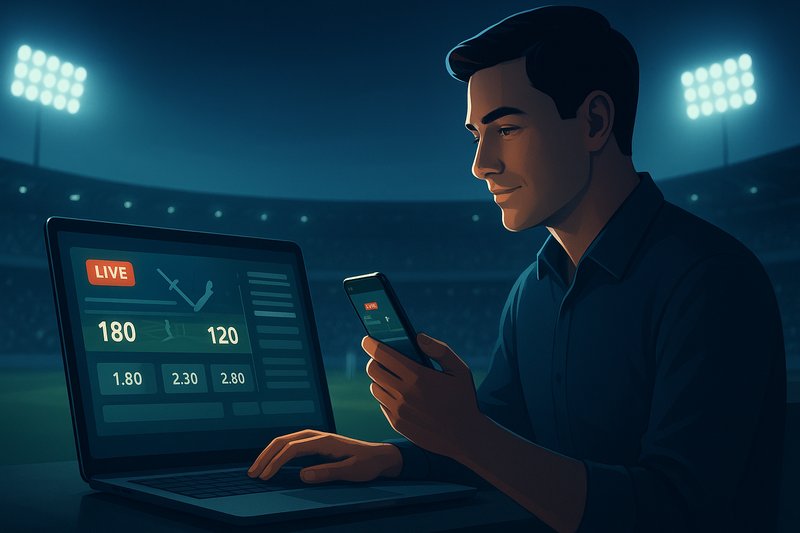
1. The Shift From Console to Pocket
Casual and narrative‑driven titles that once lived only on living‑room consoles now arrive in bite‑sized packages that fit in a hand. A survey by the UK Games Association revealed that 68 % of players who moved from console to mobile did so for convenience. The result? The line between “gaming” and “social media” usage is increasingly blurred.
2. Monetisation Models That Keep Players Engaged
Micro‑transactions, battle passes, and seasonal passes dominate revenue streams. In 2024, 42 % of UK players reported spending on in‑app purchases, up from 35 % in 2023. Developers employ tiered reward systems to keep engagement high; a single purchase can unlock a weekly avatar skin, a feature that encourages users to return daily.
3. Cross‑Platform Continuity and Cloud Gaming
Cloud gaming services such as Xbox Cloud and Google Stadia let users launch a title on a phone and finish it on a laptop without losing progress. With the UK’s broadband speeds averaging 55 Mbps, streaming high‑definition games is now feasible for most households. This continuity removes the friction that once made switching devices a hassle.
4. Social Interaction Beyond the Game
Integrated chat, guild systems, and leaderboards create communities that extend beyond individual play sessions. A 2024 report shows that 57 % of mobile gamers use in‑app messaging to connect with friends, turning solitary play into a shared social experience. This social layer has become a key driver of player retention.
5. The Rise of Esports and Competitive Mobile Titles
Competitive titles like Call of Duty: Mobile and Clash Royale now host national tournaments with prize pools exceeding £100,000. In 2023, the UK hosted 12 official mobile esports events, up from 7 in 2022. The accessibility of mobile devices lowers the entry barrier, encouraging a broader demographic to participate.
6. From Entertainment to Everyday Habit
Mobile gaming apps now occupy a slot that once belonged to television or radio. The average UK household watches more than 3 hours of gaming content per week on streaming platforms, a trend mirrored by the rise of mobile game streaming on YouTube and Twitch. This integration of gaming into daily routines signals a broader cultural shift.
As the boundaries between gaming, streaming, and social media blur, players increasingly seek seamless experiences that fit their on‑the‑go lifestyles. For those curious about how digital entertainment extends beyond the screen, exploring platforms that blend gaming with other online activities can be enlightening. In that vein, the fatbet portal offers a gateway to a broader spectrum of online leisure options.
Conclusion
The mobile gaming ecosystem in the UK has moved beyond a niche market; it is now a mainstream entertainment channel that reshapes how people spend their leisure time. From micro‑transactions to cloud gaming, each innovation contributes to a more integrated and socially connected gaming culture. As developers continue to refine these platforms, the next wave of mobile entertainment will likely focus on even greater personalization and cross‑device fluidity, ensuring that the phone remains the central hub of UK players’ entertainment choices.

Recent Comments